
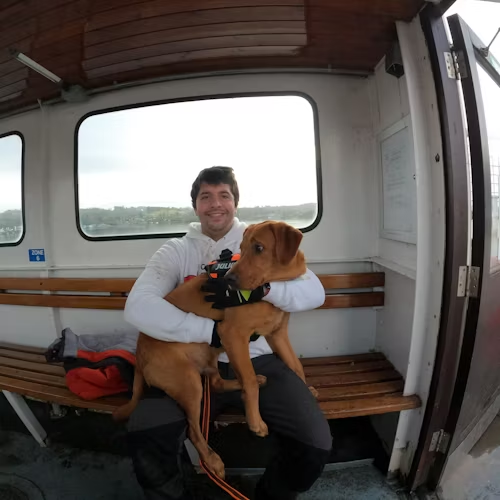
How did you find your time on the bootcamp?
Enrolling into Northcoders bootcamp was one of the best decisions of my life. The course prepared me for all aspects of the full time employment in the web tech sector. I enjoyed all the pair programming sessions – thanks James & Bert – which made me feel more comfortable working with people that I do not know. Working with people with completely different backgrounds was a productive and amazing experience.
What were you doing before the Bootcamp?
I did an Engineering degree at the uni and went to full-time employment after that. During the pandemic, I needed a break from everything, took some time off both from full-time employment and from everything productive. After careful consideration and problem-solving sessions regarding my next steps, I found out that web dev is what I would like to do in the future and thought to give it a go. My first attempt was to follow some online tutorials, however as a team player that was not the most appealing thing to do. I signed up for a Northcoders open day, enjoyed the talks from different individuals and signed up for the course after that.
What was the support like on the course?
Most of the people are super approachable! Slack nc-help was super swift and I loved August’s tutorials and Jim’s lectures.
How much support did you receive from Northcoders with your job search after the course?
The career team created a personal slack channel for myself, where I had chats with Career Coaches and Partnerships Managers. I had a couple of 121s meeting regarding my resume and cover letter templates.
What advice would you give to anyone thinking about applying?
My best mate’s partner has already signed up after a chat that I had with my best mate. Go for it, invest the appropriate time and see the dream come true.
I should have done these course years ago. I would love to have done this course in an office environment.
Evangelos: Engineer to Software Developer
How did you find your time on the bootcamp? Enrolling into Northcoders bootcamp was one of the best decisions of my life. The course prepared me for all aspects of the full time employment in the web tech sector. I enjoyed all the pair programming sessions – thanks James & Bert – which made me…
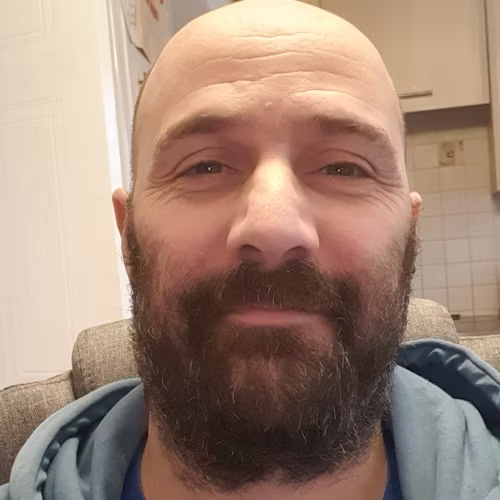
Christopher: Care Provision Manager to Software Engineer
How did you find your time on the bootcamp? Northcoders fundamentally helped me change the course of my life. I really enjoyed the time with you, especially some of the people, but most importantly it gave me the opportunity to delve into software developing in a way I didn’t previously have the time to. Amazing.…
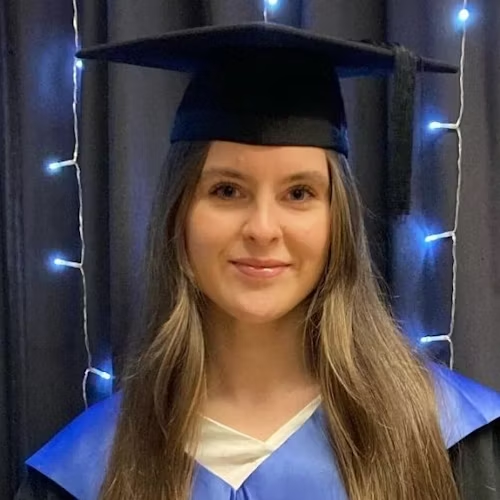
Grace: Masters Student to Software Engineer
How did you find your time on the bootcamp? Northcoders is the most welcoming and inclusive community of people and I couldn’t have chosen a more perfect environment to develop my skills as a Software Engineer. What were you doing before the Bootcamp? Before Northcoders I had recently graduated from my Master’s degree in Mathematics.…
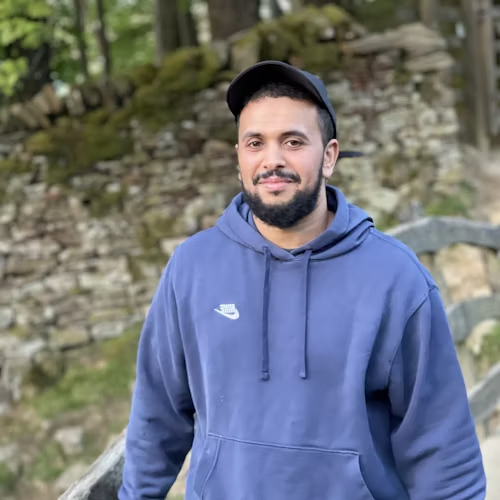
Hammam: Computer Science Student to Junior Software Engineer
How did you find your time on the bootcamp? When I first applied to Northcoders I didn’t know what to expect. Northcoders made me forget about my worries from the first week and I quickly came to realise and appreciate how patient, accepting and supportive every member of staff is from the tutors to the…

Kam: Claims Handler to Software Engineer
How did you find your time on the bootcamp? I really enjoyed my time at the bootcamp. The teaching standard was excellent, and I learnt a huge amount from the lectures, seminars, solo and pair programming exercises. I loved the inclusive environment, and enjoyed working with those from a wide variety of backgrounds, but who…

Thinking about a move from Software Development to Data Engineering?
If you’re a Software Developer, you’ve most likely heard of the field of Data Engineering. But how different is that really from what you do? And is it something you should be looking into? All Software Developers deal with data to some extent, but Data Engineers take it further. A Data Engineer specialises in data-intensive…
Laura: Voluntary Community Worker to Testing Associate
How did you find your time on the bootcamp? The Northcoders course was a fantastic opportunity to learn new skills and start a new career. There were some big challenges and the pace was fast but the tutors were incredibly supportive and encouraging. It was a hugely enjoyable and inspiring experience. What were you doing…
Jade: English Teacher to Junior Software Engineer & Mentor
How did you find your time on the bootcamp? I had an amazing time at Northcoders! I had no previous technical experience and the course built my knowledge in a way that felt organic. I felt supported, had fun and learned so much every day. The tutors are always there with a smile and are…
Cat: Marketing Executive to Junior Software Engineer
How did you find your time on the bootcamp? Enrolling on the Northcoders 13-week bootcamp was one of the best decisions of my life! Every day I was learning new and exciting things, putting them to the test, and making great connections along the way. Not only did I learn great coding techniques, but also…
Natassa: Universal Banker to Junior Developer
How did you find your time on the bootcamp? I remember starting the bootcamp feeling like I will be rejected in the field because I am a woman. And I graduated feeling strong and confident as a junior coder! Northcoders did this. Not only did I learn to code and build web apps, learn the…
Holly: Caseworker to Associate Data Engineer
How did you find your time on the bootcamp? I started the course with no experience of tech and found the course not only gave me great foundations in tech but also the skills to expand on this knowledge. The course is intense but I felt well supported and never out of my depth. The…

Road to Code: Journey’s End
Blog by Atlas S. Hello there! Last week I wrote about creating a Reddit clone using React, and this week I’m writing about the end of the Road to Code; and what I would recommend to other current or potential coding bootcamp students! The Beginning of the End Technically, I still have two more weeks of…